
The Schematic: Ready or Not

The defense acquisition landscape for AI-enabled training is changing fast. With the Department of War prioritizing AI initiatives and accelerating procurement through OTA contracting, virtual simulation and training are becoming central to military readiness strategy.
At the same time, strained training pipelines, limited equipment access, and instructor shortages are increasing demand for scalable solutions. Schemata’s AI-native 3D platform addresses these challenges through photorealistic, interactive training environments paired with on-demand AI instruction that improve retention, accelerate certification, and expand readiness capacity.
The acquisition environment for AI-enabled training has changed.
As one of their top priorities this year, the Department of War released its Artificial Intelligence Strategy and mandated OTA contracting for AI procurement: $13.4 billion moving through faster, more flexible vehicles. Among the named priority projects: Ender's Foundry, an initiative explicitly focused on AI-enabled simulation and training. For a field that has spent years trying to explain why virtual training matters, it’s a different conversation than the one we were having six months ago. Virtual training isn't just a good idea anymore, it’s a Pentagon priority.
In the News
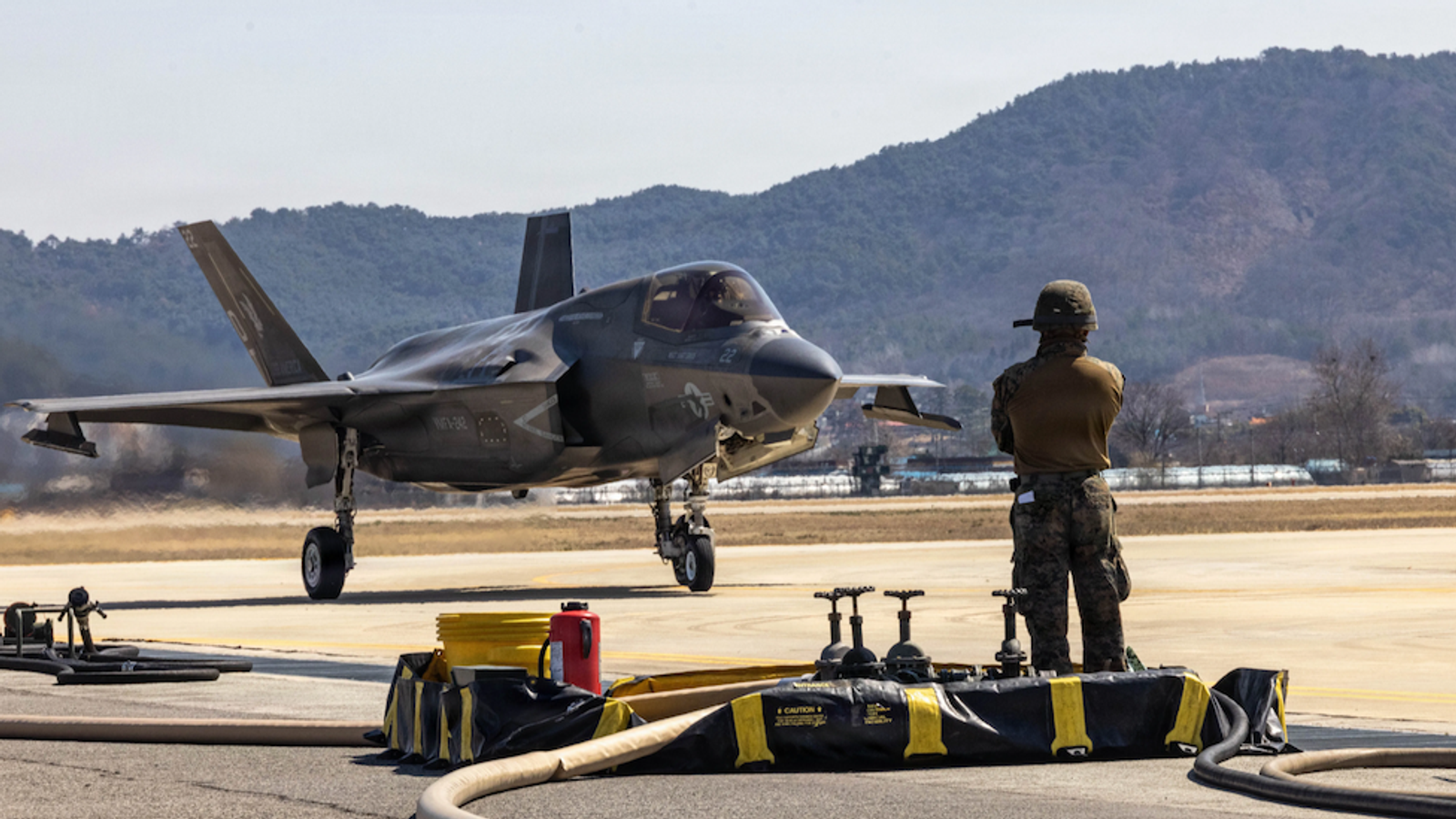
The readiness crisis is a training pipeline problem, per Military.com's January 2026 report on force capacity.
A GAO director told lawmakers that U.S. military readiness has been degrading for two years — and the Iran conflict has made that impossible to ignore. With Congress authorizing 30,000 additional active-duty service members, the pressure on an already strained training pipeline only compounds. Instructors are stretched thinner, seats are harder to come by, and the time between when someone enters the pipeline and when they're truly mission-ready keeps growing.
We see this dynamic directly in the field.
From the Field
At the installation level, the training pipeline strain looks like this: instruction quality varies by who's available that week, and the actual systems trainees need to learn on are often deployed, in maintenance, or too few to support rotational training. What fills the gap is classroom instruction, static diagrams, and shadowing when someone has time.
The result is a trainee who can pass every written test and still freeze in front of the real system. Reading about a procedure and physically understanding how it unfolds, where components live, how they relate to each other, are two different things. That's the gap we keep running into and it's what shapes everything we're building.
What we've found is that a 3D + AI environment changes the starting point. When trainees have access to an inspection trainer that mirrors the real system, explorable, interactive, available on demand, they arrive at their first hands-on session already oriented. Certification timelines compress. Instructors spend their time on nuance instead of basics. The learning isn't just faster. It sticks differently and it scales in a way that relying on available equipment and available instructors never will.
What We're Iterating On
Photorealism. On the rendering side, lifelike fidelity isn't about quality, it's about recognition. Trainees who've worked through our platform arrive at the real system already familiar with it in a way classroom instruction never produces. The studies are clear: the closer a learning experience is to reality, the more knowledge is retained.
AI Instruction. On the instruction side, a trainee shouldn't have to wait for an available instructor to get an answer. Our AI instructor is available on demand, guiding trainees through procedures, fielding questions, and providing the kind of one-on-one attention that scales in a way human instruction can't.
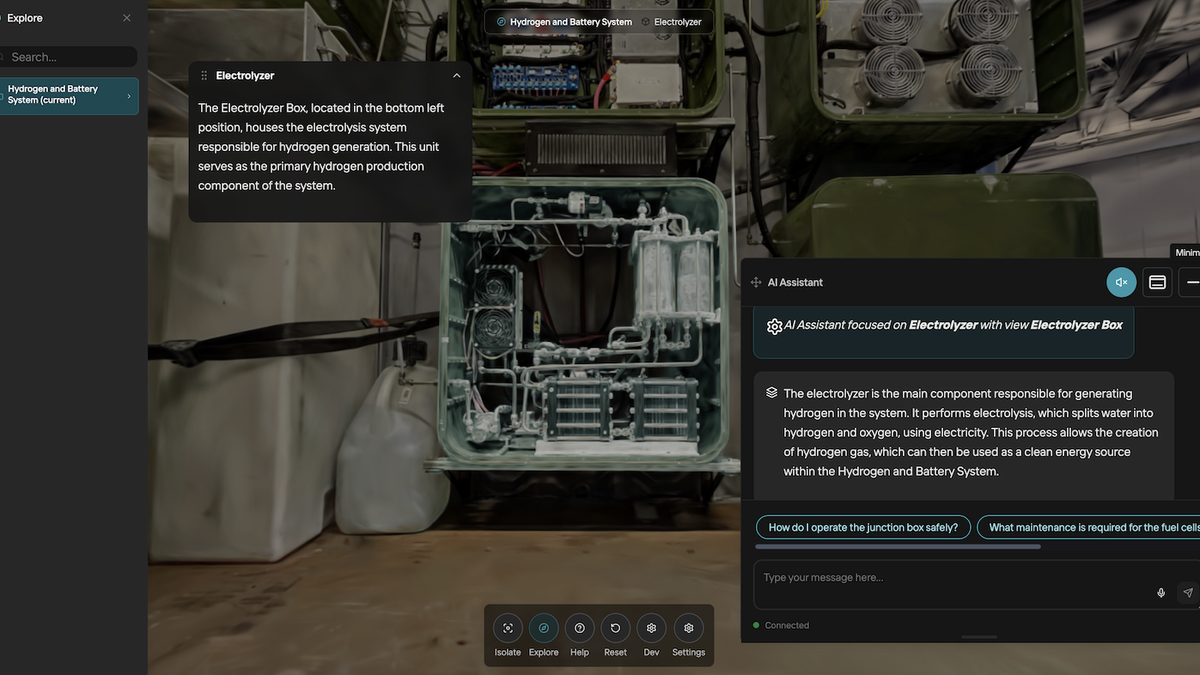
Together, they address what the pipeline can't: access to the system and access to instruction, available when and where training actually needs to happen.
Why It Matters
The readiness crisis and the training pipeline strain aren’t new problems. What’s new is the urgency, the technological advancements, and the acquisition environment catching up to it. The DoW is projected to spend $19.4 billion on virtual training and simulation this year, which is a signal of how seriously this is being taken at the top.
OTA vehicles and the Pentagon's AI mandate are opening the door for companies with real capability, not just the primes that have held the space for decades, to move fast and get in front of the people who need it most. ACC-Orlando is reinforcing that with a 100-day PALT rule: all acquisition actions eligible for award within 100 days. Faster procurement isn't a goal anymore. It's the new normal.
Closing Thought
Access to a realistic training environment isn't a nice-to-have. It's the variable that determines how fast someone goes from knowing what to do to being able to do it.
That's what we're building toward and the urgency has never been clearer.
— The Schemata Team. Turning the physical world into knowledge.